
The Silent Weight of Living Without a Financial Safety Net
We all know that sinking feeling in the pit of our stomachs. The phone rings late at night with bad medical news, or your car engine starts making a terrifying grinding noise on the highway.
Suddenly, your mind starts racing. You are not just worried about the actual problem; you are immediately panicking about how you will pay for it.
This is the harsh reality of living paycheck to paycheck without a proper backup plan. When you have zero cash reserves, every minor inconvenience instantly turns into a massive, life-altering crisis.
You find yourself borrowing money from friends, taking out high-interest personal loans, or maxing out credit cards just to survive the week. It is an exhausting cycle that keeps you trapped in a constant state of financial survival mode.
Why Typical Money-Saving Advice Falls Flat
Millions of people try to save money every single month. Yet, they constantly find their bank accounts drained back to zero.
Why does this happen? Most of the time, the failure comes down to following outdated, unrealistic, or simply incorrect financial advice.
- The "Just Stop Buying Coffee" Myth: You are constantly told that cutting out small joys, like your morning coffee, will magically create wealth. This creates saving fatigue. You feel miserable, give up quickly, and end up binge-spending later to comfort yourself.
- Investing Everything Immediately: Many financial influencers push people to throw every spare dollar into the stock market. When a sudden expense hits, people are forced to sell their investments at a massive loss just to get cash.
- No Clear Boundary Systems: People often leave their extra savings in the exact same account they use for daily shopping. Without clear boundaries, that saved money slowly disappears into everyday expenses without you even noticing.
- Waiting Until the End of the Month: Most people try to save whatever is left over after all their monthly spending is done. Mathematically, this fails because human nature pushes us to spend whatever we see sitting in our primary checking account.
The Hidden Mental Toll of Having Zero Backup Cash
Not having money set aside does much more than hurt your credit score. It deeply impacts your daily mental health and completely changes how you interact with the world around you.
- Constant Background Anxiety: Even when things are going perfectly well, a small part of your brain is always terrified of the next disaster. You can never truly relax during a vacation or a family dinner.
- Fear of Career Traps: When you have absolutely no savings, you cannot afford to take risks. You might stay in a toxic job with a terrible boss simply because missing a single paycheck would mean losing your home.
- Strain on Personal Relationships: Financial stress is a leading cause of arguments between couples. The constant worry over unpaid bills creates a tense environment that slowly damages romance and trust.
- Shattered Self-Confidence: Having to repeatedly ask family members for emergency loans makes you feel like you are failing at adulthood. It ruins your sense of independence and self-worth.
Living this way is completely exhausting. But it does not have to be your permanent reality. You can fix this, and it does not require a massive salary to get started.

Your Actionable Blueprint: Step-by-Step Financial Protection
We are going to completely rebuild your financial foundation. This is not about restricting your happiness or creating a punishing budget.
Instead, this is about building a completely logical, secure, and stress-free system. You will build a cash reserve so strong that unexpected events will simply become minor inconveniences.
Let us walk through the absolute best scientific and psychological methods to build your savings foundation.
Calculate Your Personal "Sleep Well at Night" Number
The very first mistake people make is picking a random, giant savings goal out of thin air. They say, "I need ten thousand dollars," and then immediately feel overwhelmed because the number seems impossible to reach.
To build a reliable emergency fund, you need a target based on actual math, not just a guess. You need to know your "baseline survival number."
Your baseline is exactly what it costs to keep you alive and safe for a single month. This does not include your Netflix subscription, eating out, or buying new clothes.
It only includes your rent or mortgage, basic groceries, essential utility bills, and basic transportation.
Real-Life Scenario: Finding the Baseline
Let us look at a practical example. Imagine someone named Sarah. Sarah earns a decent salary and usually spends about three thousand dollars a month on her lifestyle.
If she tries to save three to six months of her full lifestyle spending, the goal looks huge. However, if she strictly calculates her absolute bare-bones needs, she might discover she only needs fifteen hundred dollars to survive.
Suddenly, saving for a one-month emergency fund becomes highly achievable.
Setting Micro-Goals
Do not try to save six months of expenses right away. That is a recipe for frustration.
Instead, set your very first goal to save just a starter fund of five hundred dollars. This small amount is incredibly powerful.
Statistically, a basic five-hundred-dollar reserve is enough to cover minor car repairs, a sudden dental visit, or a broken home appliance. Once you hit that first milestone, celebrate it.
Then, move your target to a full one-month baseline reserve. Breaking the big goal down into tiny, bite-sized pieces tricks your brain into feeling victorious, which keeps your motivation high.
Build a Financial Firewall Around Your Cash
If you keep your emergency cash in the same bank account you use to buy groceries and pay for gas, you will fail. This is human nature, backed by behavioral economics.
When you log into your bank app and see a large total balance, your brain feels rich. It completely forgets that part of that money is supposed to be locked away for emergencies.
You end up swiping your debit card for a nice dinner, accidentally eating away your safety net.
The Power of Out of Sight, Out of Mind
You must create a strong barrier between your spending money and your emergency money. The best way to do this is to open a completely separate savings account at a totally different bank.
Do not link a debit card to this new account. Do not install the banking app on your primary smartphone screen. Make it slightly difficult to access.
When your money is out of sight, it is out of your daily spending thoughts.
Maximizing Growth While You Sleep
When choosing this separate bank, look specifically for a High-Yield Savings Account. Traditional brick-and-mortar banks give you almost zero interest on your money.
Online-only banks typically offer significantly higher interest rates. This means the bank will actually pay you a decent amount of money every single month just for keeping your cash there.
Since emergency funds just sit there waiting for a disaster, they might as well grow and fight off the hidden cost of inflation. Just ensure the institution is officially insured by the government so your money is perfectly safe.
Put Your Savings on Autopilot Immediately
Willpower is a highly limited resource. If you rely on your own discipline to manually transfer money into your savings account every single month, you will eventually slip up.
Life gets busy. You get tired. You tell yourself, "I will just skip saving this month and double up next time." Of course, next time never happens.
To win at this game, you must completely remove your own decision-making process from the equation.
The "Pay Yourself First" Principle
The wealthiest people in the world use a simple rule: they pay themselves before they pay anyone else. When your paycheck hits your account, your savings should be the very first thing that comes out.
Treat your emergency fund exactly like a strict internet or electricity bill. You do not negotiate with your electricity company, and you should not negotiate with your own future security.
Setting Up the Automation Machine
Log into your employer's payroll portal or your primary bank account today. Set up an automatic, recurring transfer.
Schedule it so that the very morning your paycheck arrives, a specific amount of money is instantly transferred out to your separate high-yield account.
Start small if you have to. Even transferring twenty dollars a week automatically is better than manually trying to save a hundred dollars at random times.
You will quickly adjust your spending to whatever is left in your checking account. After a few months, you will not even miss the money that is being automatically hidden away from you.
This creates a frictionless path to wealth. You are building a massive financial safety net while you sleep, work, and spend time with your family, without ever having to think about it again.
How to Supercharge Your Cash Reserves Safely
Now that you have your automatic savings machine running in the background, it is time to speed up the process. You have mastered the basics of setting a baseline and automating your transfers.
We can now look at advanced, entirely practical strategies to fill up your safety net much faster. These methods do not require you to work a second job or sell all your belongings.
Instead, they rely on smart psychological tricks and natural cash flow management. Let us explore how you can safely accelerate your progress without feeling restricted.
The "Expense Roll-Down" Method
Most people have recurring debts that eventually come to an end. This could be a monthly car payment, a student loan, or even an installment plan for a new smartphone.
When you finally pay off that debt, your monthly budget suddenly has extra breathing room. For example, if you finish paying off a three-hundred-dollar car loan, you now have an extra three hundred dollars in your pocket every month.
The biggest mistake people make here is lifestyle creep. They immediately start spending that newly freed-up money on expensive dinners or subscription services.
Instead of increasing your lifestyle, simply roll that exact expense down into your safety net. Keep "making that payment" every single month, but direct it straight into your high-yield savings account instead. You are already entirely used to living without that three hundred dollars, so you will not even feel a pinch in your budget.
The Unexpected Windfall Funnel
Throughout our lives, we occasionally receive sudden chunks of unexpected money. We call these cash injections "windfalls."
A windfall could be a nice tax refund from the government, a holiday bonus from your employer, or even birthday cash from a relative. You might also get a windfall by selling an old gaming console or a piece of furniture you no longer need.
Our brains naturally view unexpected money as free money. We instinctively want to spend it on a vacation or a shiny new gadget.
If you want to build a bulletproof financial wall, you must change this mindset immediately. Commit right now to funneling at least eighty percent of any future windfall directly into your emergency cash reserve. You can keep twenty percent to treat yourself, which prevents you from feeling entirely deprived.
Using the windfall funnel is like finding a shortcut in a video game. It allows you to skip months of slow, tedious saving and instantly hit your financial milestones.
Routine Stress-Testing Your Baseline
Your life is never going to remain perfectly static. As time passes, your living situations and daily expenses will naturally shift and change.
You might adopt a dog, move to a slightly more expensive apartment, or have a child. When your life changes, your minimum survival number completely changes alongside it.
If you do not update your financial safety net to match these new expenses, you leave yourself deeply exposed to risk. Your current reserve might only cover three weeks of expenses instead of a full month.
Make it a habit to audit your baseline once every twelve months. A great trigger for this is tax season or your birthday.
Sit down, look at your current rent, grocery bills, and utilities. If your living costs have gone up, gently increase your automatic monthly savings transfer to catch up. This guarantees your protective shield remains incredibly strong, no matter what new responsibilities you take on.
Five Dangerous Traps That Will Drain Your Savings
Building a robust financial safety net takes time, patience, and serious dedication. However, completely destroying that safety net only takes a few bad decisions.
We see highly intelligent people completely empty their accounts because they fall into predictable psychological traps. Knowing what these traps look like is your best defense against them.
Let us break down the absolute worst mistakes you can make on this journey. We will also discuss exactly how to protect your hard-earned money from vanishing overnight.
Trap 1: The "Fake Emergency" Justification
This is the most common reason people fail to maintain their cash reserves. When you see thousands of dollars sitting in a bank account, your brain starts searching for excuses to use it.
Suddenly, buying VIP tickets to see your favorite band feels like an "absolute emergency" because they might never tour again. Upgrading your slightly slow laptop suddenly feels like a crisis that must be solved today.
These are not emergencies; they are desires disguised as needs. An actual emergency threatens your health, your home, or your ability to earn an income.
A broken refrigerator, a sudden medical bill, or a blown car tire are genuine emergencies. Before you ever touch your savings, write down a strict physical list of what qualifies as an emergency, and promise yourself you will never break those rules.
Trap 2: The All-Cash Mattress Mistake
Many people mistakenly believe that keeping physical paper money inside their house is the safest option. They hide envelopes of cash in their closet or lock it away in a heavy metal safe.
While holding physical money feels comforting, it is mathematically dangerous. Inflation is a silent thief that constantly eats away at the buying power of your cash.
If you leave your money hiding in the dark, it loses value every single day as the cost of groceries and gas goes up. Furthermore, keeping huge amounts of cash at home heavily exposes you to the devastating risks of house fires, floods, or burglaries.
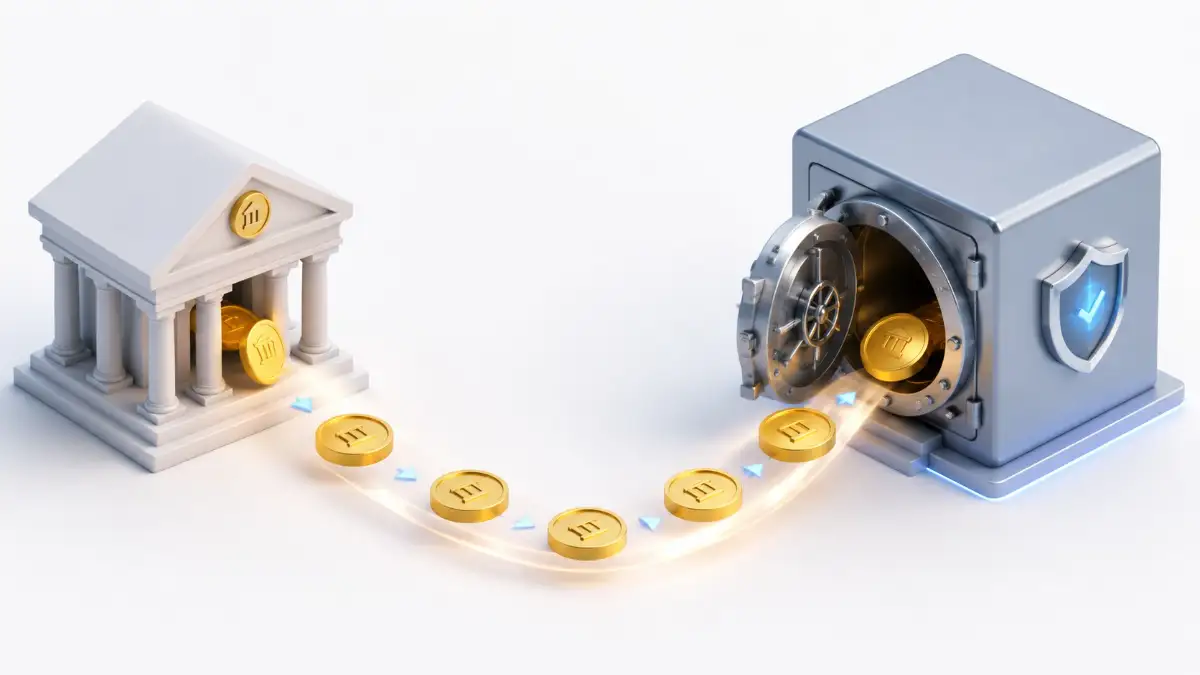
Always keep your primary safety net in an officially insured digital bank account. It keeps the money perfectly safe from physical disasters while earning interest to fight off inflation.
Trap 3: Defeatism After a Necessary Withdrawal
Eventually, a terrible day will arrive, and you will face a genuine crisis. You will be forced to transfer money out of your safety net to pay a massive mechanic bill or a hospital fee.
When people see their beautiful account balance drop dramatically, they often feel a heavy sense of failure. They feel like all their hard work was completely ruined in a single afternoon.
This feeling often causes people to stop their automatic transfers entirely. They give up on the system because starting over feels too exhausting.
You must flip this perspective upside down immediately. That withdrawal is not a failure; it is the ultimate proof that your system worked flawlessly! Because you had that money ready, you did not go into credit card debt or beg for a loan. Keep your automatic transfers running, and simply rebuild the wall brick by brick.
Trap 4: Keeping Secrets From Your Partner
If you share a household and financial responsibilities with a spouse, you must operate as a unified team. Building a solid financial future is nearly impossible if you are pulling in opposite directions.
Sometimes, one partner aggressively saves money while the other partner secretly runs up hidden credit card debt. When the truth finally comes out, it creates massive trust issues and destroys the financial progress you worked so hard to achieve.
Financial transparency is non-negotiable for long-term success. Sit down at the kitchen table and openly discuss your baseline survival number together.
Explain the exact mathematical goals and why this safety net is so important for your family's peace of mind. When both partners are entirely aligned and motivated, the entire saving process becomes significantly faster and much more enjoyable.
Trap 5: Ignoring Toxic, High-Interest Debt
Some people become so fiercely obsessed with hoarding cash that they ignore the fires burning around them. They might have a solid three-month cash reserve, but they are simultaneously carrying huge balances on high-interest credit cards.
This is a massive mathematical mistake. A high-yield bank account might pay you a small percentage in interest, but a credit card company is likely charging you over twenty percent on your debt.
You are losing money rapidly every single month by keeping that debt alive. Your safety net is meant to protect you, but toxic debt is an active financial emergency happening right now.
Keep a small starter fund of one thousand dollars to protect against minor bumps in the road. Then, temporarily pause your heavy savings goals and aggressively attack any high-interest consumer debt before returning to build your full reserve.
Your Final Blueprint for Absolute Financial Peace
You now possess a deeply comprehensive and logical strategy to protect yourself from life's worst surprises. You no longer need to rely on confusing financial jargon or restrictive, miserable budgets.
Everything you need to succeed comes down to simple math, clear boundaries, and powerful automation. By finding your exact baseline survival number, you remove the overwhelming stress of guessing how much you need.
By separating your money into a completely different bank, you build a massive psychological wall against impulsive spending. By setting up automatic transfers, you guarantee your success without needing an ounce of daily willpower.
Take Immediate Action Today
Knowledge is entirely useless if you simply read it and move on with your day. The peace of mind you have been searching for is waiting for you on the other side of action.
I challenge you to take exactly one tiny step toward your financial freedom within the next twenty-four hours. Go online and open that separate, high-yield digital account today.
You do not need hundreds of dollars to begin this journey. Set up an automatic transfer for just ten or twenty dollars from your very next paycheck.
Prove to yourself that you are capable of taking control of your financial destiny. Over time, that small trickle of money will transform into an unbreakable financial shield, giving you the ultimate freedom to finally sleep peacefully at night.


