The Hidden Frustration of Daily Sun Care
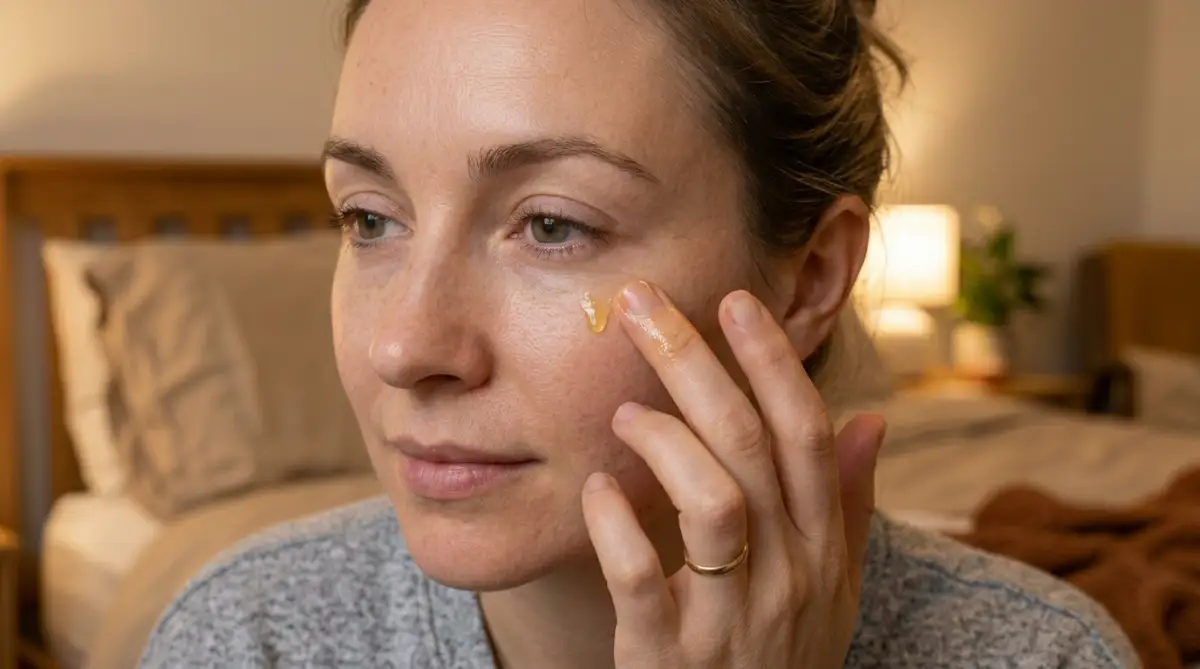
You wake up every morning, wash your face, and proudly pat on your favorite sun protection cream. You feel like you are doing everything right for your health.
But weeks later, you look closely in the mirror and notice new dark spots forming. Fine lines seem to be appearing much faster than they should.
It feels incredibly unfair and deeply frustrating. You are spending your hard-earned money on expensive products, yet your skin still looks damaged.
This is the hidden struggle that millions of people face every single day. You are putting in the effort, but invisible application mistakes are silently sabotaging your results.
Why We Fall for Bad Skincare Advice
Finding the right way to protect your skin is harder than ever. The internet is completely flooded with confusing, contradictory advice that leaves us lost.
- Social Media Myths: Influencers often share "skincare hacks" like mixing SPF with heavy face oils, which actually destroys the protective barrier completely.
- The Makeup Illusion: Cosmetic brands falsely market their foundations as full sun protection, leading you into a dangerous false sense of security.
- The "Cloudy Day" Lie: Many people still believe that if the sun is hiding behind gray clouds, they do not need protection at all.
- Homemade Disasters: You might stumble upon recipes for DIY sunblock using coconut oil or zinc powder, which offer almost zero actual defense against radiation.
The Emotional Toll on Your Confidence
This constant cycle of trying and failing takes a heavy toll on your mental peace. It is not just about vanity; it is about how you feel in your own skin.
- Fear of the Sun: You might start avoiding outdoor activities with your friends and family because you are terrified of getting more dark spots.
- Wasted Money Guilt: Looking at half-empty bottles of expensive creams on your shelf makes you feel like you are just throwing cash into the garbage.
- Loss of Confidence: Waking up and constantly trying to hide new signs of sun damage under heavy makeup drains your self-esteem every morning.
- Overwhelming Anxiety: The fear of long-term skin health issues creates a constant background noise of worry in your daily life.
The Silent Reality of UV Radiation
The truth is that ultraviolet radiation is an invisible, relentless force. You cannot feel it, you cannot see it, but it interacts with your body every second of daylight.
When you make tiny mistakes in your morning routine, you leave microscopic gaps on your face. These tiny gaps act like open doors for radiation to enter your skin cells.
Most people think that getting a sunburn is the only sign of danger. But the most severe aging damage happens completely silently, without any redness or pain at all.
You might be driving in your car, sitting by a large office window, or walking your dog in the late afternoon. During all these moments, UVA rays are quietly breaking down your natural collagen.
This is why simply owning a tube of SPF is never enough. You have to understand the mechanics of how this protective shield actually works on a microscopic level.
I want to help you fix these hidden gaps today. By making a few simple, logical tweaks to your routine, you can finally lock the door on sun damage for good.
Let us break down the exact things you are doing wrong and how to fix them easily.

The Essential Guide to Proper Sun Protection
To truly protect your skin, we must step away from beauty trends and focus entirely on science. The way you handle your SPF determines how well it will defend you.
Let us explore the first three major errors people make every day. By understanding the logic behind these mistakes, you can instantly upgrade your daily routine.
Mistake 1: The Danger of Using Way Too Little Product
The absolute biggest mistake you can make is treating your sunscreen like a high-end moisturizer. We are naturally trained to use skincare products very sparingly.
You usually take a tiny, pea-sized drop of lotion and spread it thin across your entire face. While this works beautifully for hydration, it is a complete disaster for sun protection.
Think about painting a bright red wall with a tiny drop of white paint. If you spread that single drop across the whole wall, the red color will easily show right through.
Sunblock works the exact same way. It needs to form a thick, continuous, and unbroken film across your entire skin surface to bounce the light away.
In scientific testing labs, researchers apply a very specific, heavy amount of cream to determine the SPF rating printed on the bottle. If you apply less than that tested amount, you do not get the promised protection.
If you use half the required amount of an SPF 50 cream, you do not get SPF 25. Because of how the chemistry works, you actually drop down to a shocking SPF of 7 or 8.
How to Fix This Today: The Two-Finger Rule
To remove the guesswork from your morning, dermatologists created a brilliant visual guide called the "Two-Finger Rule." It is incredibly simple to follow.
Take your tube and squeeze a generous line of cream all the way down your index finger. Then, squeeze a second full line down your middle finger.
This might look like an absurd amount of product the first time you do it. However, this exact measurement provides the necessary coverage for an average adult face and neck.
If your cream leaves a heavy white cast when you use this much, do not use less product. Instead, you need to switch to a modern, lightweight chemical formula that absorbs invisibly.
Apply the first finger of product, let it sink in for sixty seconds, and then apply the second finger. This layering technique prevents the cream from feeling heavy or greasy on your skin.
Mistake 2: Ignoring the "Forgotten Zones" of Your Head
When we wash our faces, we naturally focus on the center. We wash our cheeks, nose, forehead, and chin, completely ignoring the borders.
This habit carries over directly into how we apply our morning protection. We rub the cream right into the center of our face and then quickly wash our hands.
This leaves highly vulnerable areas completely exposed to harsh daylight. Think of it like locking the front door of your house but leaving all the ground-floor windows wide open.
One of the most commonly ignored areas is the skin around your eyes, especially the eyelids. The skin here is the thinnest on your entire body, making it highly susceptible to fast aging and wrinkling.
People often skip the eyes because older formulas used to sting and cause watering. However, modern mineral formulas are incredibly gentle and safe to bring right up to the lash line.
Another massive blind spot is the top of your ears and the back of your neck. If you wear your hair up or have short hair, these areas take a direct hit from the sun all day long.
Dermatologists frequently find severe sun damage on the very top ridges of the ears. This happens simply because we forget those areas exist during our morning rush.
How to Fix This Today: The Border Check
Tomorrow morning, I want you to change the physical map of how you touch your face. Start applying your cream from the outside borders and work your way inward.
Rub the product into the back of your neck first, sweeping it around to the front of your throat. Next, physically pinch your ears with the cream, covering the tops and lobes completely.
Finally, gently tap a mineral-based stick or gentle cream over your closed eyelids. By securing the borders of your face first, you guarantee that no hidden spots are left defenseless against the light.
Mistake 3: Relying Blindly on Makeup for Protection
Many people feel a false sense of security because their liquid foundation or setting powder says "SPF 30" boldly on the label. This marketing tactic is highly misleading.
Cosmetic companies include a tiny bit of sun-blocking ingredients in their makeup to make it sound more appealing. However, they know you are never going to apply it thickly.
Remember the strict scientific testing rules we talked about earlier? To get the SPF 30 promised on your foundation bottle, you would have to apply a massive amount of makeup.
Imagine taking a thick tablespoon of liquid foundation and slathering it over your face like heavy cake frosting. You would look completely unnatural and feel incredibly uncomfortable.
Because we only use a few tiny drops of foundation to lightly even out our skin tone, we get almost zero real protection. You are essentially using an umbrella made of Swiss cheese to stop the rain.
Furthermore, makeup is designed to sit lightly on the surface and easily rub off throughout the day. Every time you touch your face or use a tissue, you wipe away that tiny bit of defense.
How to Fix This Today: The Dedicated Layer Strategy
You must separate your sun protection from your color cosmetics completely. Treat them as two entirely different, non-negotiable steps in your routine.
Your true sunscreen is your heavy armor, and your makeup is simply the decorative paint on top. Always apply your dedicated, broad-spectrum SPF as the absolute final step of your skincare routine.
Wait at least a full three to five minutes to let that protective shield dry and lock into place. Once the film has set, you can gently tap or press your makeup over it using a soft sponge.
Do not drag or aggressively rub your makeup brushes across your skin, as this will tear holes in your invisible armor. By keeping these steps separate, you get the beautiful cosmetic look you want without sacrificing your actual health and safety.
Expert Level Defense: Mastering Your Daily Sun Shield
Now that we have covered the basics of proper application, we need to look at how real life affects your protection. Your morning routine is only the first step of a successful defense strategy.
We must explore the advanced habits that truly separate clear, youthful skin from damaged skin. These professional secrets will help you block out hidden radiation that you probably never even noticed.
The Reapplication Reality: Breaking the Two-Hour Rule
Most people believe that putting on sun protection at 8:00 AM keeps them safe until sunset. This is one of the biggest and most damaging myths in the beauty industry.
Sunblock is not a magical force field that lasts forever. The active ingredients in your cream actually break down and degrade as they absorb ultraviolet light.
Think of your protective cream like a sponge soaking up spilled water. Eventually, the sponge gets completely full and simply cannot hold another drop.
After about two hours of direct daylight exposure, your chemical or mineral shield is essentially "full." It loses its ability to bounce or absorb any more harmful rays.
Additionally, your natural facial oils, sweat, and facial movements slowly dissolve the protective film. Every time you touch your chin or wipe your nose, you wipe away your armor.
To keep your skin safe, you must reapply your product every two hours if you are outdoors. If you are wearing makeup, use a high-quality SPF setting spray or a mineral powder to easily touch up your defense without ruining your look.
Weather Traps: Defeating the "Cloudy Day" Illusion
Have you ever spent a gloomy, overcast day outside, only to go home with a red, burning face? You probably wondered how you got sunburned when you never even saw the sun.
This happens because clouds only block visible light, not invisible radiation. Up to 80% of dangerous UV rays easily pass straight through heavy gray clouds.
Imagine hanging a thin, sheer curtain over a very bright window. The curtain softens the glare, but the room still gets completely filled with daylight.
Clouds act like that sheer curtain for ultraviolet radiation. Your skin is taking a severe beating from UVA rays, which are the specific rays that cause deep wrinkles and dark brown spots.
You must train your brain to ignore the weather forecast when it comes to your morning routine. If it is daytime and you can see without a flashlight, you need your protective shield.
Indoor Vulnerabilities: Why Glass Is a Silent Enemy
Many office workers and people who work from home think they are perfectly safe indoors. They sit next to a large, beautiful window all day, enjoying the natural light without wearing any protection.
This is a massive mistake. Standard glass windows perfectly block UVB rays (the ones that cause immediate burning and redness).
However, standard glass does absolutely nothing to stop UVA rays (the ones that cause severe aging and pigmentation). UVA rays pass through your home and car windows with almost zero resistance.
If you sit near a window, you are slowly aging that specific side of your face hour by hour. Professional truck drivers often show severe aging and deep wrinkles strictly on the left side of their faces because of this exact window exposure.
Unless you are sitting in a completely windowless basement, you need to wear your protection indoors. Make it the final, non-negotiable step of your daily morning hygiene.
Building a Lifelong Habit for Clear Skin
Achieving spotless, healthy skin is not about finding one miracle product. It is all about consistent, long-term daily habits that protect your skin cells as they naturally renew themselves.
The secret to consistency is making the habit incredibly easy to remember. Place your daily protection bottle right next to your toothpaste or your morning coffee mug.
When you attach this step to an existing daily habit, you completely remove the mental effort. You will automatically reach for it without even thinking.
Remember, the skin cells you protect today will show their true health weeks and months from now. Stay patient, stay consistent, and your face will reward you with a bright, even texture.
Hidden Traps: Daily Habits That Destroy Your SPF Defens
Even with the best intentions, you might be accidentally destroying the chemical formula of your product. Small mistakes in how you store or mix your creams can render them completely useless.
If you want your investment to actually work, you must immediately stop making these five common blunders.
1. Mixing Drops Directly Into Your Moisturizer
You might see social media videos of people mixing a few drops of sunblock directly into their daily face cream to save time. This is a terrible idea that ruins the protective barrier.
Sun protection formulas are created in strict laboratories to form an even, unbroken film on your skin. When you mix it with another lotion, you physically separate the protective chemicals.
This creates massive, invisible holes in your defense. You end up with patches of skin that have zero protection, leading to highly uneven dark spots. Always apply your moisturizer first, let it dry, and then apply your protective layer on top.
2. Storing Your Bottle in a Hot Car
Many people leave a spare bottle of lotion in the glove box of their car for emergencies. While the convenience is great, the intense heat inside a parked car is highly destructive.
Active chemical filters are highly sensitive to extreme temperature changes. When left in a hot car, the ingredients physically separate and break down.
By the time you squeeze it out, you are essentially applying greasy, useless water to your face. Always store your products in a cool, dark place inside your house.
3. Relying Entirely on Powder Formulas
Mineral powder sunscreens are very popular right now for a matte makeup finish. However, using them as your primary morning defense is highly dangerous.
To get the actual protection listed on a powder container, you would have to inhale and pack on a ridiculous, cakey amount of dust. It is physically impossible to get enough powder on your face to match the power of a liquid lotion.
Powders are excellent for your two-hour touch-ups over makeup, but they should never replace your thick morning base layer.
4. Not Waiting Before You Sweat or Swim
You finally arrive at the beach, rub your lotion on, and immediately jump into the ocean to cool off. Ten minutes later, your entire protective shield has washed away into the water.
Chemical filters need a minimum of fifteen to twenty minutes to bind with your skin cells and form a waterproof seal. Jumping into water or sweating heavily before this seal dries is like touching wet paint.
You must apply your cream at home or in the car before you ever reach the sun or the water. Let it dry completely so it can actually lock onto your face.
5. Using Expired Bottles from Last Summer
We all have that half-empty bottle of lotion sitting in the back of the bathroom cabinet from last year's vacation. Using it to save money is a massive risk to your health.
Once a bottle is opened, oxygen begins to slowly degrade the active ingredients. After the expiration date passes, the product simply cannot stop ultraviolet radiation anymore.
Check the tiny open-jar symbol on the back of your bottle. If it has been open for more than twelve months, throw it in the trash immediately and buy a fresh shield.
Your Path to Spotless, Healthy Skin Starts Today
Taking control of your skin health does not require a medical degree or a massive budget. It simply requires a clear understanding of how everyday light interacts with your face.
By avoiding these hidden application traps, you instantly multiply the effectiveness of the products you already own. You no longer have to guess if your morning routine is actually working.
You now have the exact knowledge needed to block out invisible damage, prevent dark spots, and slow down the aging process naturally.
Remember that perfection is not the goal here. The goal is daily, mindful protection that gives your body the best possible chance to heal and thrive.
I want you to look at your morning routine tomorrow with a completely fresh perspective. Grab exactly two fingers of your favorite product, apply it to the borders of your face first, and let it dry completely.
When you step outside, you will feel a new sense of confidence. You will know, without a doubt, that you are safely protected and doing the absolute best for your health.